Daniel Tosh
Shrill: Notes from a Loud WomanDaniel Tosh appears in Lindy West’s account as a comedian whose deliberately provocative style collided with a woman’s objection to rape jokes at the Laugh Factory in 2012. The confrontation became a widely discussed test of what comedy can do: Tosh defended a comic premise, but his response to a heckler shifted the exchange from argument about humor to a threat framed as a joke. West’s account follows both the incident and her attempt, through an essay, to make room for criticism without treating all comedy about terrible subjects as forbidden.
Comic Persona and Provocation
West characterizes Tosh as a leading figure in bro-comedy, associated with performances that draw on deliberately offensive material and an air of ironic detachment. The subjects she lists include AIDS, disability, and the Holocaust. In her description, this style appeals to young audiences and to comics who treat offensiveness as a virtue in itself. Her criticism is not simply that comedy should avoid painful subjects; she later argues that comics can joke about terrible things. The distinction is between using comedy to expose what is wrong and using provocation as an end in itself.
That distinction matters because the incident arose from a dispute over the claim that rape jokes are inherently funny. According to an audience member’s anonymous account, Tosh was making broad declarations in favor of such jokes during his Laugh Factory set. A woman in the audience objected, saying that rape jokes were never funny. West presents the exchange as more than a disagreement over taste: it brings into view who gets to define comedy and whose experience is treated as an acceptable target.
The Laugh Factory Confrontation
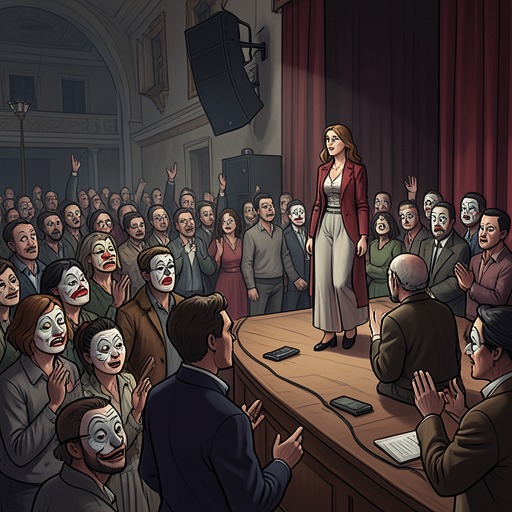
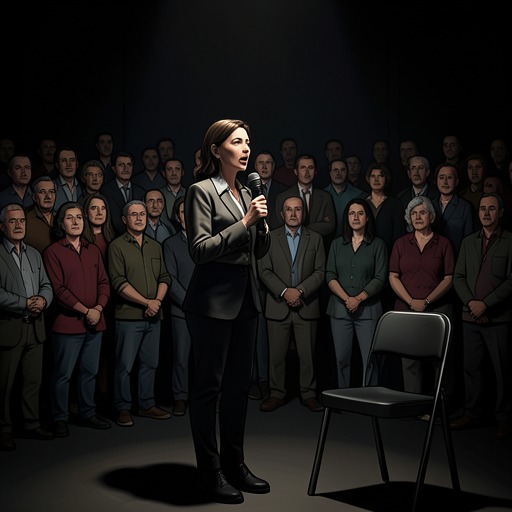
Tosh paused after the woman heckled him, then addressed the packed room with a hypothetical in which she would be attacked by several men immediately. The remark made the woman the subject of the joke and placed sexual violence at the center of his answer to her criticism. She gathered her things and left. In her later account, she explained that the suggestion felt threatening even though she did not expect the imagined attack to occur. West likewise stresses that the threat did not need to be a literal plan to have force: its effect was to remind the heckler of her vulnerability and to put her objection in its place.
The scene carries a pointed reversal. The woman had challenged a general claim about comedy; Tosh responded by directing a violent hypothetical at her. For West, this did not demonstrate that the woman could not take a joke. It showed how a joke could make an audience member’s vulnerability part of the performance, while also asserting that men could decide what counted as comedy. West argues that the incident reinforced the idea that comedy belonged to men and that their authority in the field should go unquestioned.
West’s Essay and Its Argument
A few months into her time at Jezebel, West was assigned to respond to the controversy. She approached the task believing that her experience writing humor and her familiarity with comedy could help her address both feminist readers and comics. The resulting essay, How to Make a Rape Joke, did not argue for a blanket ban on jokes about rape. West accepted the broader premise that terrible subjects can be made into comedy, while arguing that effective comics use their art to challenge harmful realities rather than intensify them.
Her essay also disputed the idea that refusing to censor oneself, or claiming to offend everyone equally, is automatically a mark of artistic courage. West reasoned that choosing words carefully is part of the comic’s craft, not a betrayal of it. She further argued that people do not occupy equal positions of power, so a claim to target everyone alike can obscure who bears the real cost. This was the constructive distinction she hoped to establish: criticism of a joke’s target and consequences need not amount to opposition to comedy itself.
Reception and Continuing Significance
West says the essay went viral on a scale unlike her earlier writing and received strong support from both feminists and comedy fans. Female readers who had felt excluded from the debate expressed relief, and some readers thought the piece had brought the argument to a close. Patton Oswalt retweeted it. West also received hostile responses from Tosh’s supporters, including insults and wishes that she be raped; she describes that abuse as relatively limited compared with the essay’s broader positive reception. Some critics portrayed her argument as an attempt to destroy Tosh’s career, but West notes that his popularity increased and that he remained on the air when she wrote the book.
The outcome complicates any simple story in which criticism silences a comedian or settles a public dispute. West was pleased by the essay’s reception and felt that progress had been made, but Tosh’s career continued. In her account, the episode’s importance lies instead in what it made visible: comedy is not detached from the power relations of ordinary life, and a joke’s framing does not erase its effect on the person made its target. Tosh’s confrontation with the heckler became the occasion for West to argue that comics can address painful subjects while remaining accountable for how they do so.